Agadir, Essaouira and Marrakech create one of Morocco’s most satisfying travel triangles. Agadir begins with Atlantic light, a broad bay and an easy holiday rhythm. Essaouira changes the scale with ramparts, art, wind and a medina shaped by centuries of exchange. Marrakech then brings gardens, palaces, markets, restaurants and the energy of an imperial city. Travelling by car lets you connect these different moods without treating the road as empty time. The coastline, argan landscape and approach toward the plains all become part of the holiday.
This guide proposes a relaxed seven-to-ten-day route rather than a race. The Moroccan National Tourist Office places Essaouira roughly 175 kilometres from Agadir and Marrakech roughly 258 kilometres from Agadir; the exact time on any travel day depends on your chosen road, traffic, weather and stops. Always use current navigation and local advice. The best itinerary leaves enough daylight, avoids an important flight immediately after a long drive and gives each destination more than a quick photograph.
Choose the direction that fits your flights
If you land in Agadir and depart from Marrakech, a one-way Agadir–Essaouira–Marrakech route can save backtracking, provided your rental quote includes an approved one-way return. If the same airport serves both flights, build a loop and place the longest leg away from departure day. Travellers arriving at Casablanca Airport can reverse the concept, using Marrakech as the first major stay before crossing to the Atlantic. Airport, hotel and vehicle availability will usually shape the cleanest plan more than a rigid idea copied from social media.
Send both flight numbers and accommodation addresses before confirming the car. Ask about delivery, after-hours handover and one-way charges. Build the first night near the arrival city when a flight lands late; collecting an unfamiliar vehicle and immediately attempting a long night drive is rarely a good beginning. A slow first evening, proper sleep and daylight departure improve both safety and enjoyment.
Match the car to passengers, bags and city streets
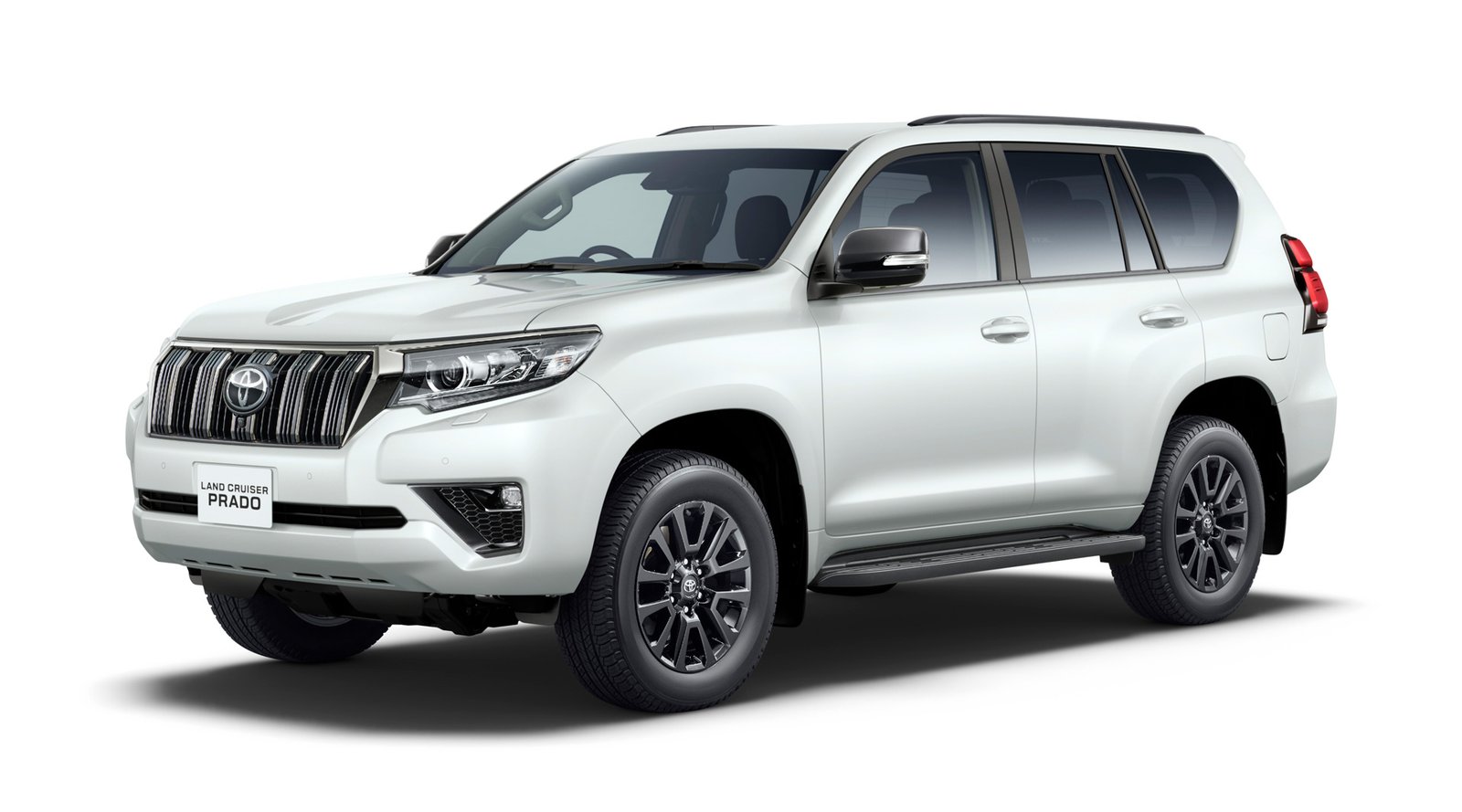
A Clio 5, Clio 6, Peugeot 208 or Hyundai i20 is an efficient choice for two travellers with compact luggage. A Dacia Logan adds boot space without becoming difficult to park. Four adults with several bags may prefer a Dacia Jogger, Volkswagen T-Roc or Touareg. A Toyota Prado provides seven seats and a higher driving position, but a larger SUV does not create permission to enter unsuitable tracks. Luxury options add comfort for travellers who value the journey itself, while an automatic can reduce effort around busy junctions.
Measure luggage honestly. A vehicle may have five seats but not space for five large suitcases. Soft bags often fit better than rigid cases and should remain hidden in the boot when parked. If your Marrakech riad is inside the medina, you may leave the car at managed parking rather than driving to the door. Select the smallest vehicle that comfortably carries the group; this balance helps fuel use, manoeuvring and parking throughout the route.
Give Agadir at least two unhurried days
Begin with the bay and promenade rather than immediately driving elsewhere. The official tourism office describes Agadir as a major seaside destination with a long waterfront, a pleasant climate and easy access to the Taghazout area. Use the arrival day to learn the neighbourhood, eat locally and recover from travel. The next morning can combine the beachfront with a higher viewpoint, a market visit or the reconstructed medina. Park appropriately and explore busy pedestrian areas on foot.
A second full day might focus north toward the surf coast or south toward nature, depending on current conditions and your interests. Taghazout is known internationally for surfing, while the Souss-Massa region offers a different landscape and wildlife focus. Avoid forcing both directions into one rushed day. Check the route, fuel and parking before leaving, then return to Agadir with time for dinner. The first stage should teach you how the car feels before the longer drive to Essaouira.
Make the Agadir–Essaouira road a travel day
Leave after breakfast with a full enough fuel tank and downloaded navigation. The Atlantic route can invite stops, but use only safe, established pull-offs. Do not stop on blind corners, narrow shoulders or the traffic lane for a photograph. Wind, buses and local traffic require attention. A stop for coffee or lunch is more refreshing than a succession of rushed roadside pictures. If anyone feels carsick, sit them where they can see forward and plan gentle breaks.
Keep luggage hidden whenever the car is unattended and lock it even during a short pause. In villages, reduce speed early and expect pedestrians, bicycles and animals. The driver should be the only person making navigation decisions; a passenger can manage the map and choose a safe place to turn around after a missed junction. Arriving in Essaouira before late afternoon gives time to find parking, check in and meet the city in soft evening light.
Stay long enough to hear Essaouira’s rhythm
Essaouira is not only a lunch stop. Its medina, ramparts, port, craft workshops and galleries deserve at least two nights. The Moroccan National Tourist Office describes the city as a meeting point of eastern and western influences and highlights its artistic character. Park outside the most constrained historic areas and walk. The pleasure comes from moving slowly through gates and lanes, seeing the light change on stone and deciding where to eat without checking a motorway clock.
Wind is part of Essaouira’s atmosphere. Carry a layer even when Agadir felt warm, and protect cameras from sand near the beach. Visit popular places earlier, leave space for a quiet café and choose local experiences respectfully. Ask before photographing people or workshops. If you buy crafts, store them securely in the car only when continuing the trip. A full non-driving day lets every approved driver rest before the inland route.
Cross toward Marrakech with patience
The route from Essaouira to Marrakech moves away from the Atlantic and changes character. Start in daylight, check current road information and avoid setting a fixed arrival promise that encourages speeding. Share the driving only with people named in the rental agreement. When passing slower traffic, wait for a clearly safe and legal opportunity. Long straight sections can hide fatigue; a real break means parking safely, walking for a few minutes and drinking water rather than merely opening a window.
Argan-country scenery and small towns make the journey interesting without requiring constant stops. Choose one purposeful break and allow time for traffic as Marrakech approaches. Confirm your accommodation’s parking instructions before reaching dense central streets. Some riads arrange a porter or meeting point from a nearby parking area. Following that guidance is much easier than letting navigation lead deeper into narrow lanes.
Use the car selectively in Marrakech
Marrakech rewards walking and planned local transport in central visitor areas. Once the car is safely parked, leave it there for medina exploration, gardens and restaurant visits that do not require driving. This reduces navigation stress and keeps the vehicle away from congested streets. Use the car for an approved day trip or onward journey where it genuinely adds freedom. Ask the accommodation about secure parking, access times and whether you should remove luggage before approaching the centre.
Build two or three Marrakech days with different energy. One can focus on historic sights and the medina, another on gardens, contemporary neighbourhoods and a long meal, and a third on rest or an approved excursion. Reserve popular experiences when necessary but do not schedule every hour. The city’s atmosphere appears between appointments: a courtyard, a conversation, a change in light or an unexpected craft demonstration.
Plan fuel, tolls, data and money before each leg
Refill before a long section rather than searching when nearly empty. Confirm the correct fuel at handover and repeat it to the station attendant. Keep some cash in Moroccan dirhams for small purchases and ask your rental company about motorway tolls on any extended route. Download maps and save accommodation pins because mobile data can be inconsistent. A passenger can monitor the route, while the driver follows road signs and stops safely before making changes.
Carry water, but do not leave plastic waste at viewpoints. A compact power bank, charging cable, tissues and a light layer improve comfort. Keep passports and money with you, not in an unattended car. Photograph the rental assistance details and save them offline. These preparations take little space and convert small travel problems into manageable pauses rather than emergencies.
Eat and stop without turning the route into a timetable
A road trip should create access to food, not reduce meals to fuel-station snacks. Ask your hosts for reputable stops and choose places where parking feels safe. The driver should avoid a heavy meal immediately before a demanding section and everyone should drink enough water. When buying roadside products, be respectful, confirm prices and park fully away from moving traffic. Local food experiences are richer when they are not squeezed between unrealistic arrival times.
Schedule only the commitments that matter: a flight, confirmed accommodation, vehicle delivery and any timed reservation. Treat everything else as flexible. If a beach, gallery or lunch becomes the highlight of the day, let it. The car gives you the power to change pace; use that freedom rather than building a self-imposed bus timetable.
Drive for the conditions, especially after dark
Seat belts belong on every passenger. Children need an appropriate restraint arranged in advance. Keep distance, reduce speed near settlements and expect a mix of road users. Never drive after alcohol or when tired, and do not hold a phone. At night, visibility can fall quickly and unlit hazards become harder to read. Whenever possible, complete unfamiliar intercity routes in daylight and use evenings for the destination itself.
If rain, fog, wind or roadworks change the plan, slow down and increase space. Stop in a safe place when conditions exceed the driver’s comfort. Contact the rental team after a warning light, puncture, incident or significant delay. Do not authorise repairs yourself. Calm decisions protect the people in the car and the holiday around them.
Finish with a buffer, not a sprint
Place the last night near the departure city when possible, especially before an early flight. Review the return location, clean out the cabin and restore the agreed fuel level. Photograph the vehicle and complete a joint inspection. If returning at a different city or airport, reconfirm that arrangement during the trip rather than assuming the original message is enough. Keep proof of return and your payment record until any deposit is resolved.
The strongest version of this route is not the one with the most stops. It is the one in which Agadir feels sunny and spacious, Essaouira feels textured and artistic, Marrakech feels alive, and the roads between them feel like meaningful transitions. Seven days is a practical minimum for an introduction; nine or ten gives the journey room to breathe. Let the car connect places, then step out and allow each place to become the reason you travelled.
Useful official travel sources
We use authoritative destination information and encourage every traveller to confirm current rules and conditions relevant to their own journey.
Moroccan National Tourist Office — Agadir–Taghazout ↗Moroccan National Tourist Office — Essaouira medina ↗Moroccan National Tourist Office — Morocco grand tour ↗